
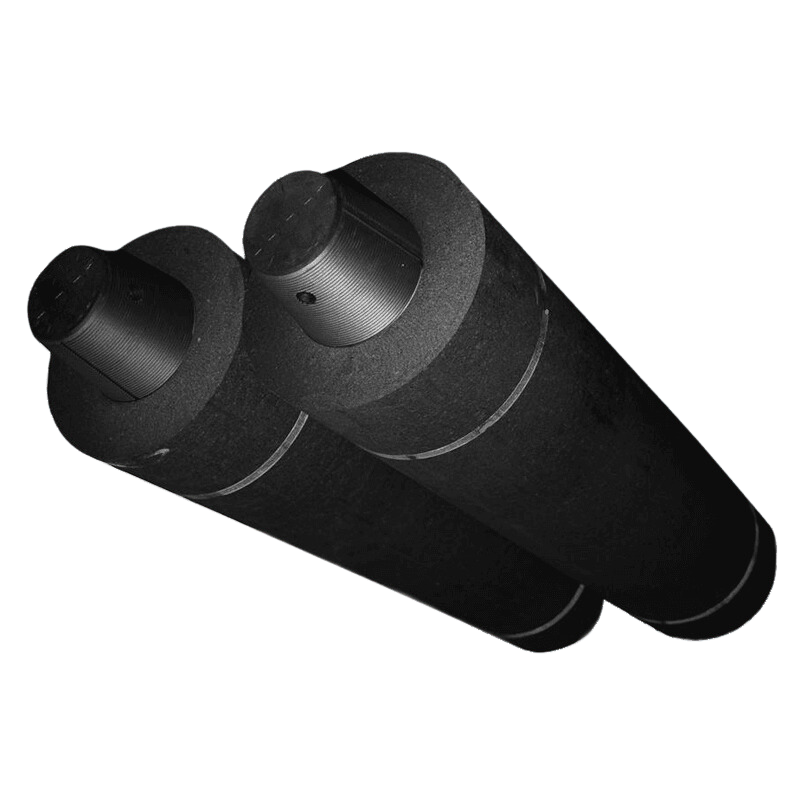
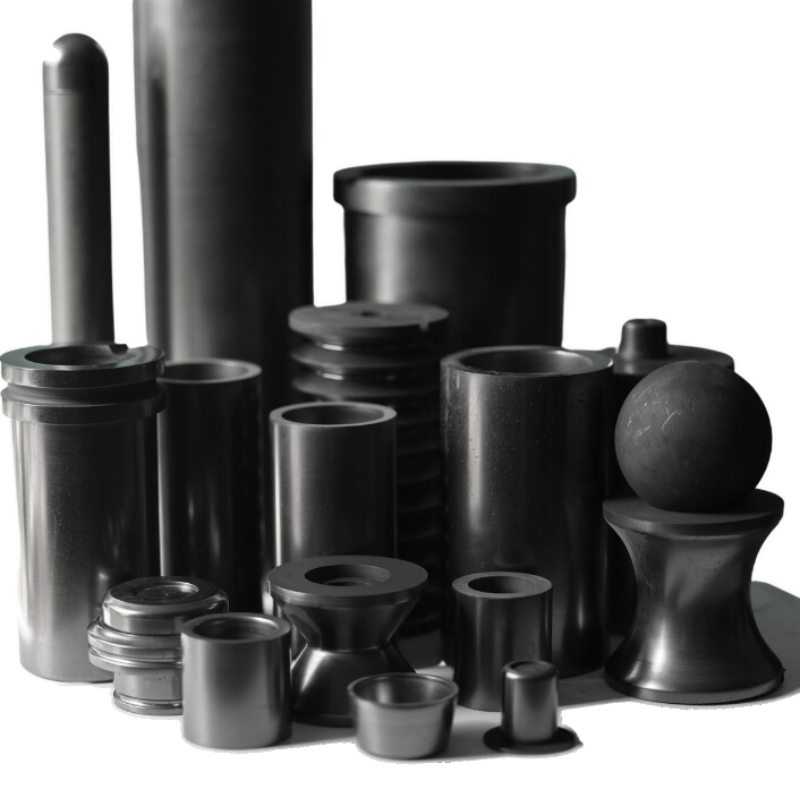
During the electrical discharge machining process, especially under high-energy discharge conditions, graphite electrodes may experience thermal cracking. This phenomenon is typically caused by various factors, and below are some primary reasons for the occurrence of thermal cracking in graphite electrodes during electrical discharge machining:
1.High-Energy Discharge: High-energy discharges can subject graphite electrodes to severe thermal shocks and thermal stresses, increasing the risk of cracking. This may occur in regions of high power density, such as intense pulse discharges or frequent high-power discharges.
2.Temperature Gradients: In electrical discharge machining, graphite electrodes undergo rapid cycles of high temperatures and cooling. The swift temperature changes induce thermal expansion and contraction in graphite, potentially causing stress concentrations within the material and promoting crack formation.
3.Properties of Graphite Material: Graphite inherently possesses brittle characteristics and is sensitive to intense thermal and mechanical stresses. In environments of high temperatures and high-energy discharge, the brittleness of graphite may contribute to crack propagation.
4.Surface Defects on Electrodes: Surface defects like cracks, pores, or other irregularities can serve as initiation points for cracks in graphite electrodes. These defects may be introduced during the manufacturing process or develop gradually during usage.
5.Discharge Frequency and Pulse Width: The choice of discharge frequency and pulse width can impact the thermal history of the electrode. Excessive frequency or width may hinder effective cooling of the graphite electrode, thereby increasing the risk of crack formation.
6.Inappropriate Cooling System: Insufficient or improperly designed cooling systems can lead to overheating of the electrode, elevating the likelihood of cracks. A well-designed cooling system is crucial for maintaining stable machining conditions.
7.Improper Machining Parameters: Incorrect machining parameters, such as excessively high current density, prolonged discharge times, or inappropriate discharge intervals, can result in overheating of the electrode and, consequently, lead to cracking.
To prevent thermal cracking in graphite electrodes during electrical discharge machining, manufacturers and operators can consider the following recommendations:
- Choose appropriate graphite materials, considering their thermal and mechanical properties.
- Control machining parameters to avoid excessively high current density and frequency.
- Detect and rectify surface defects on electrodes in advance.
- Ensure a reliable cooling system to effectively control electrode temperature.
- Employ suitable processes and equipment to minimize thermal stress and temperature gradients.
By comprehensively addressing these factors, the risk of thermal cracking in graphite electrodes during electrical discharge machining can be effectively reduced.