
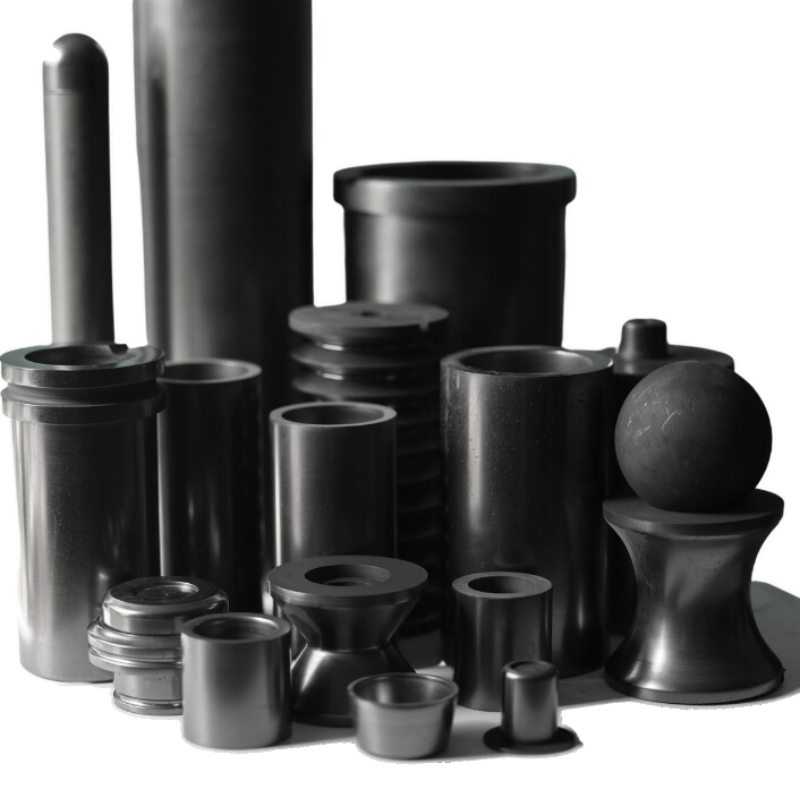
The methods of graphite purification primarily depend on the initial form of graphite and its intended use. Here are some common techniques for graphite purification:
- Chemical Oxidation:
- Exposing graphite to strong oxidizing agents, such as concentrated sulfuric acid or nitric acid, initiates a chemical oxidation reaction. This results in the formation of graphite oxide, which can then be removed through processes like water washing, enhancing the purity of the graphite.
- High-Temperature Oxidation:
- Graphite undergoes a reaction with oxygen at elevated temperatures, producing gaseous carbon dioxide. This process typically occurs in the presence of oxygen or air and is conducted within a temperature range from a few hundred to over a thousand degrees. High-temperature oxidation aids in removing impurities and improving graphite purity.
- Acid-Base Washing:
- Immersing graphite in strongly basic or strongly acidic solutions helps eliminate impurities. This method often requires repeated procedures to ensure thorough removal of impurities.
- Pyrolysis:
- Pyrolysis at high temperatures helps eliminate volatile impurities from graphite. This process is usually carried out in an inert atmosphere or vacuum to prevent the entry of oxygen, which could affect the purification process.
- Gas Diffusion Method:
- Exploiting the principles of gas diffusion, impurities in graphite are released in gaseous form by utilizing reactive gases at high temperatures. This method is typically conducted under vacuum or inert gas atmospheres.
- Solvent Extraction:
- Utilizing suitable organic solvents, impurities in graphite can be removed through solvent extraction. This method is applicable to specific types of impurities and requires careful selection of solvents to prevent the introduction of new contaminants.
- High-Performance Liquid Chromatography (HPLC):
- HPLC is an efficient separation technique used for detecting and isolating impurities in graphite. By employing an appropriate solvent system in the chromatographic column, different components in graphite can be separated.
Different purification methods can be combined based on specific requirements to ensure the desired level of graphite purity. When selecting purification methods, considerations should include the intended use of graphite, cost, safety, and environmental impact.